
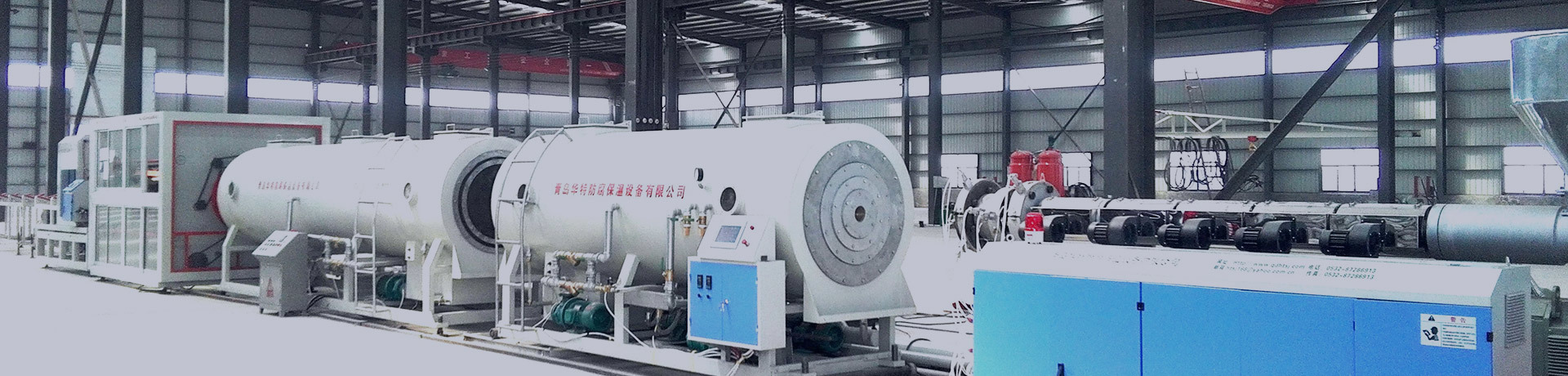
Vacuum Fixed-Diameter Insulation Equipment
hiddenValue
Details Introduction
Qingdao Hongcheng Hong : Vacuum-Calibrated Insulation Equipment: Technological Innovation Ushers in a New Era for Pipeline Engineering
In fields such as centralized heating, petrochemicals, and municipal engineering, the thermal insulation performance of pipeline systems directly impacts energy efficiency and engineering safety. Traditional insulation pipe production technologies, plagued by safety concerns and low yield rates, are gradually being replaced by a new generation of vacuum-drawing insulation equipment. This innovative machinery—combining German extrusion technology with China's cutting-edge ingenuity—utilizes a vacuum-drawing process to achieve precise control over both the outer diameter and wall thickness of pipes, making it a key piece of equipment driving the industry's transformation and upgrade.
### I. Technical Principle: Vacuum Suction Shapes the Perfect Tube Form
The core of vacuum sizing technology lies in leveraging the pressure difference between the inner cavity of the pipe and the inner wall of the sizing sleeve, enabling the high-temperature molten surface of the pipe to be evenly drawn and adhered to the inner wall of the sizing sleeve. This process ensures pipe quality through a threefold mechanism:
Qingdao Hongcheng Hong 1. Building a Vacuum Environment : The built-in vacuum pump reduces the air pressure inside the sizing box to below 10⁻¹ Pa, completely eliminating the physical basis for heat transfer via gas molecule collisions and effectively blocking both conductive and convective heat transfer pathways.
2. Precision Design of the Sizing Sleeve: The sizing sleeve, made from either tin bronze or stainless steel, features a surface finish as fine as Ra0.8μm. Combined with a spiral flow channel design, it ensures the pipe’s outer diameter accuracy within ±0.5mm while simultaneously promoting uniform solidification of the tube wall through forced cooling.
3. Intelligent Pressure Control: The PLC control system continuously monitors vacuum levels and spray water temperature in real time. When the pipe diameter deviates by 0.2 mm, the system automatically adjusts the traction speed and cooling intensity to ensure that the wall thickness variation per meter of pipe does not exceed 0.3 mm.
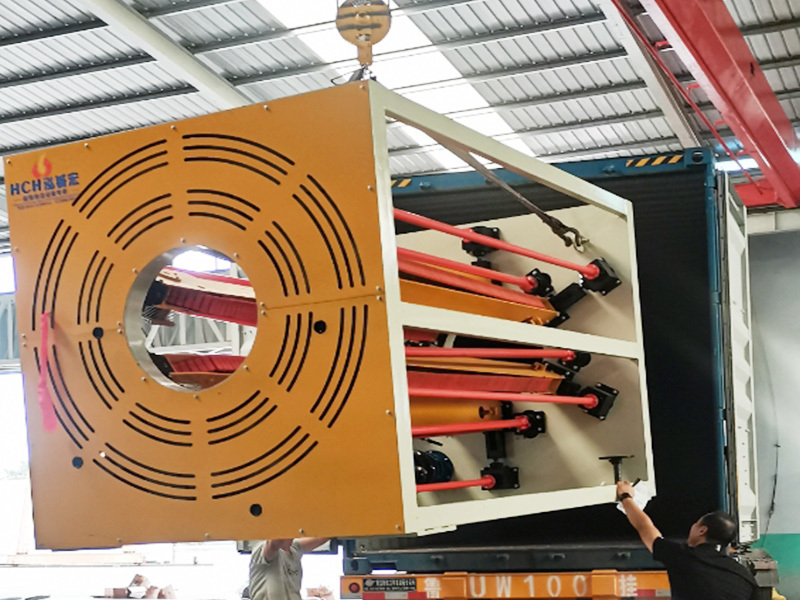
Qingdao Hongchenghong's newly developed 150 production line can manufacture large-diameter insulated pipes ranging from Φ960 to Φ1680mm. The line's sizing box is equipped with a three-dimensional adjustment system that enables precise movement along six axes—front-to-back, up-and-down, and left-to-right—allowing the pipe roundness error to be controlled within 0.3%. This technological breakthrough has enabled the equipment to successfully support the Hong Kong-Zhuhai-Macao Bridge subsea heating pipeline project, effectively addressing the challenge of pipe deformation under deep-sea, high-pressure conditions.
II. Equipment Composition: Modular Design Enables Efficient Production
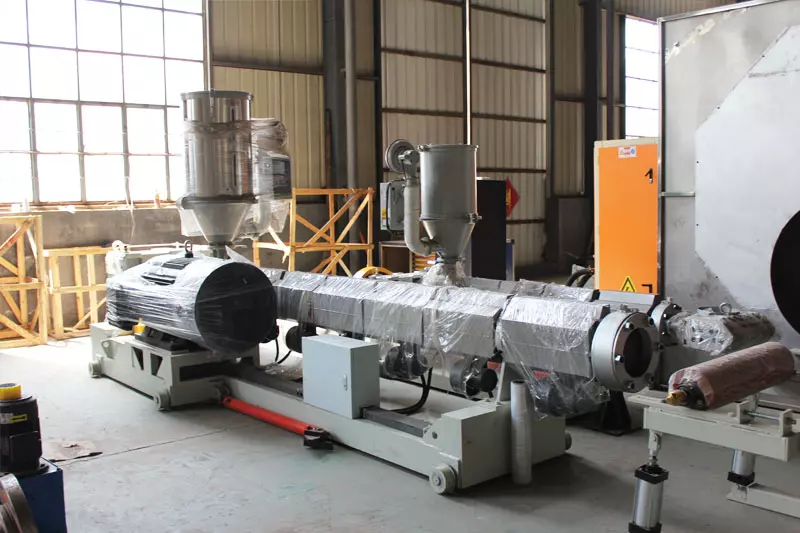
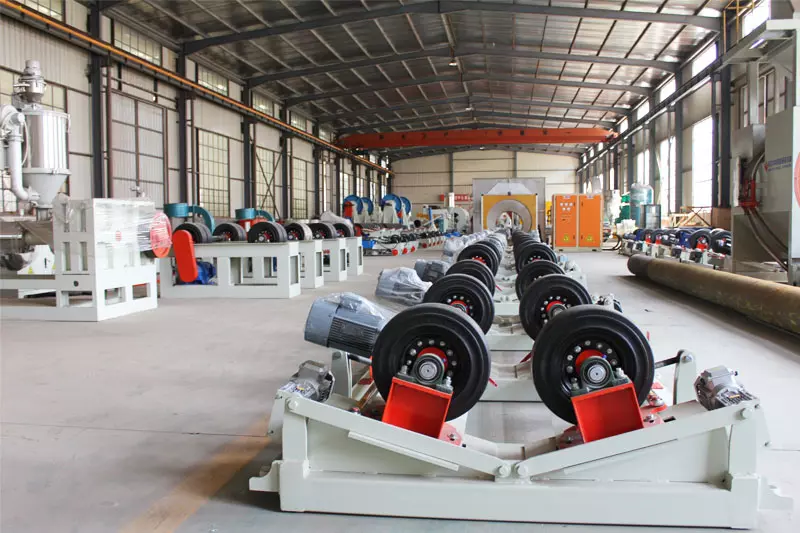
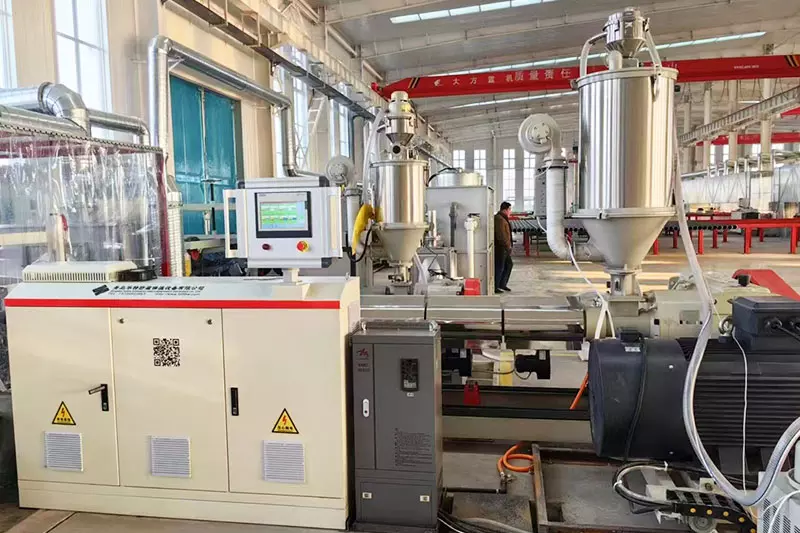
The vacuum-die insulation equipment consists of six core modules, forming a complete production line from raw materials to finished products:
1. Efficient Extrusion System: Equipped with a 36:1 high-length-to-diameter ratio screw, combined with a forced-water-cooled feeding section and a barrier-type mixing unit, this system ensures that the plasticization temperature of polyethylene raw material fluctuates by no more than ±2°C, while boosting extrusion output by 30%.
2. Wear-resistant die assembly: The 40Cr mold steel undergoes chrome plating and polishing, reducing flow channel resistance by 40%. Combined with a 45° angled expansion die design, this enhances the axial tensile strength of the tubing to 35 MPa.
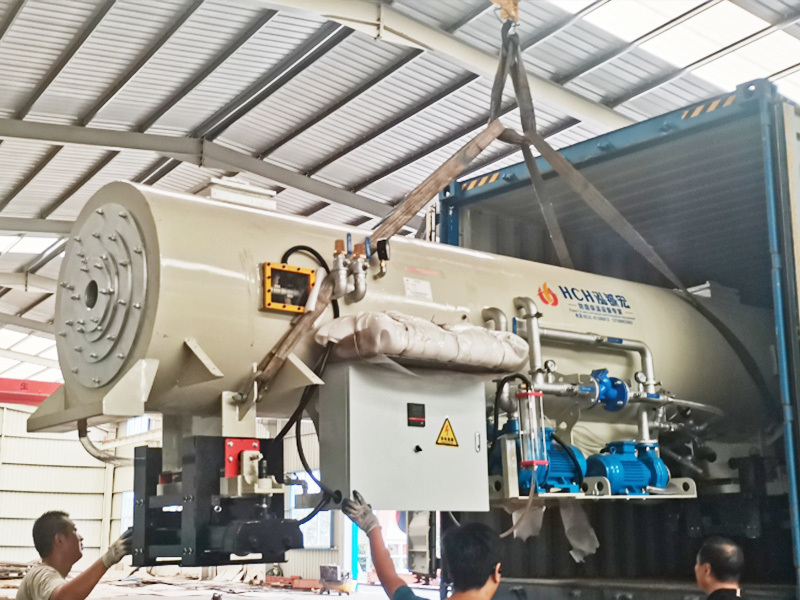
3. Vacuum Sizing Tank: The double-layer stainless steel tank is equipped with ABS atomizing nozzles, maintaining a constant water temperature of 20±1℃. Combined with an automatic vacuum adjustment system, it ensures a uniform cooling rate for the pipes.
4. **Intelligent Traction System**: The silicone rubber traction blocks ensure a lifespan of over 5 years for the crawler belt, and the system achieves stepless speed adjustment from 0.1 m/min to 5 m/min via a servo motor, with synchronization error less than 0.5% compared to the extruder.
5. Planetary Cutting System: High-strength alloy steel blades paired with a hydraulic clamping mechanism ensure a cutting surface perpendicularity error of less than 0.5°, while an integrated sawdust collection system enables clean, environmentally friendly production.
6. Central Control System: Equipped with Siemens PLC integrated with DCL software, this system can simultaneously monitor 12 sets of parameters and features one-touch start-up, automatic length measurement, and fault diagnosis—all managed via a user-friendly human-machine interface.
Qingdao Hongchenghong Company has introduced a 90-production-line system, which features modular design to reduce the equipment's footprint by 25%. As a result, single-shift production capacity has increased from 40 units per day to 90 units per day, while the defect rate has dropped significantly—from 3% down to 0.3%. Notably, this equipment has operated seamlessly for 3,000 continuous hours without any failures during the geothermal heating project in Xiong'an New Area, further demonstrating its exceptional reliability and stability.
3. Application Advantages: Safely and Efficiently Reshaping the Industry Landscape
Compared to the traditional internal inflation method, vacuum sizing technology demonstrates significant advantages:
1. Cost Optimization: Raw material consumption for single-meter pipes has decreased by 8%, while electricity and water costs have been reduced by 35%, and labor requirements have shrunk by 50%. Taking Φ800mm pipes as an example, the production cost per pipe has dropped from 1,200 yuan to 780 yuan.
2. Quality Leap: The roundness of the pipes and the uniformity of wall thickness meet the GB/T 29047-2012 standard, ensuring stable thermal insulation performance in environments ranging from -50°C to 150°C. This technology was adopted for the heating pipelines on the luge track at the Beijing Winter Olympics, achieving heat loss of less than 0.5°C/km even at an ambient temperature as low as -30°C.
3. Environmental Benefits: The production process generates no exhaust emissions, and the cooling water recycling rate reaches 95%. After being applied in Inner Mongolia’s coal-to-electricity project, Huashida equipment has helped reduce annual carbon dioxide emissions by 12,000 tons.
IV. Industry Impact: China's Intelligent Manufacturing Goes Global
Currently, more than 200 domestic enterprises have adopted vacuum sizing technology, and the equipment has been exported to 15 countries including Russia and Saudi Arabia. Qingdao Hongcheng Hong's newly developed 2,000mm ultra-large production line has successfully broken the foreign technology monopoly, making China the third country in the world to master this advanced technology. Under the Belt and Road Initiative, this equipment has been widely used in international projects such as the China-Russia East-Route Natural Gas Pipeline and the China-Pakistan Economic Corridor, contributing to the installation of over 12,000 kilometers of insulated pipelines to date.
With breakthroughs in customized vacuum insulation panel technology, the industry is evolving toward higher precision and lower energy consumption. A certain company has developed an L-shaped vacuum insulation panel specifically for Antarctic research stations, reducing building heat loss by 60%. Meanwhile, in the home appliance sector, ultra-low thermal conductivity panels with a coefficient as low as 0.004 W/(m·K) have been adopted, helping refrigerators achieve EU A+++ energy efficiency standards. These innovative applications signal that vacuum shaping technology is expanding beyond pipeline engineering into broader industrial fields.
Phone: 13708952663
Company email: zhou@hchff.com

Key words:
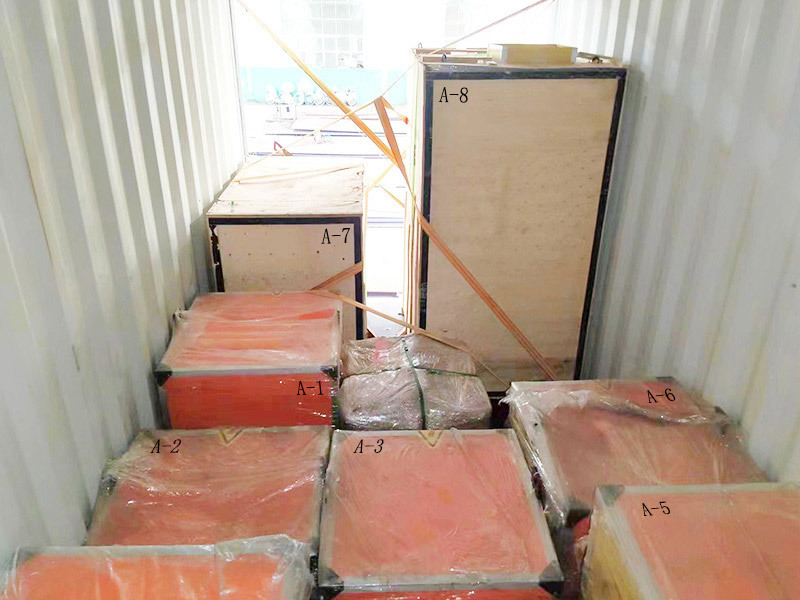
Delivery site
Product inquiry
Note: Please leave your phone number or E-mail and our professionals will contact you as soon as possible!

CONTACT US
No. 36, Shandong Road, Beiguan Industrial Park, Jiaobei Sub-district Office, Jiaozhou City, Qingdao, Shandong Province, China
