
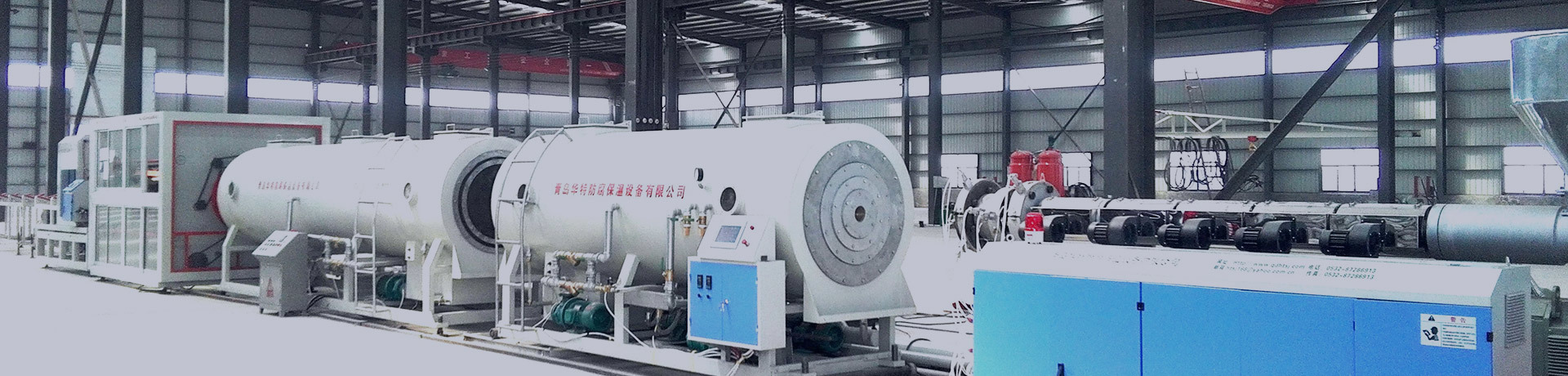
Beveling machine
The base materials of 3PE anti-corrosion steel pipes include seamless steel pipes, spiral steel pipes and straight seam steel pipes.
hiddenValue
Details Introduction
The base materials of 3PE anti-corrosion steel pipes include seamless steel pipes, spiral steel pipes and straight seam steel pipes. The three-layer polyethylene (3PE) anti-corrosion coating has been widely used in the petroleum pipeline industry due to its excellent corrosion resistance, water vapor permeability resistance and mechanical properties. The anti-corrosion coating of 3PE anti-corrosion steel pipes is crucial to the lifespan of buried pipelines. Pipes of the same material may not corrode for decades when buried underground, while others may leak within just a few years. It is precisely because they adopt different external anti-corrosion coatings.
A brief description of the PE anti-corrosion process:
1) Shot blasting rust removal for steel pipes: Before rust removal, the appearance of the steel pipes is inspected. The steel pipes then enter the shot blasting room for shot blasting rust removal.
2) Medium-frequency heating: Use a medium-frequency heating device to heat the steel pipe. The heating temperature is suitable for epoxy powder thermal spraying, mainly in accordance with the technical instructions of the epoxy powder manufacturer.
3) Epoxy powder electrostatic spraying: The hot-melt epoxy coating has a strong adhesion to the steel pipe, so the hot-melt epoxy coating is used as the base layer of the polyethylene anti-corrosion layer. Epoxy powder thermal spraying is carried out by using the surface temperature of the steel pipe.
4) Adhesive winding: Due to the poor adhesion between the polyethylene layer and the fusion-bonded epoxy coating, adhesives are used to enhance the adhesion between the fusion-bonded epoxy coating and the polyethylene layer, which are two materials of different polarities.
5) Polyethylene winding: It is wound and rolled through a pressure guiding system. Adjust the pressure of the pressure guiding system to ensure the uniform thickness of the polyethylene layer.
6) Water cooling: After the steel pipe is coated with 3PE, it enters the cooling chamber for cooling and shaping.
7) Pipe end treatment: Separate the polyethylene coating layer according to the interface identification. The PE beveling system is used to bevel the pipe ends to facilitate welding construction and anti-corrosion joint repair during pipeline laying.
8) Finished products: Transport the completed beveled steel pipes to the finished product storage area, ensuring good ventilation, protection from rain and ultraviolet rays.
Beveling machines have become indispensable tools in metalworking and fabrication industries, offering precision edge preparation for welding and finishing operations. These specialized tools are engineered to create consistent angular cuts on metal plates, pipes, and structural components with remarkable accuracy. The evolution of beveling machines from manual tools to sophisticated automated systems represents significant progress in manufacturing technology. Modern versions incorporate advanced features that enhance their operational capabilities while reducing the physical demands on operators, making them valuable assets in various industrial settings where edge quality directly impacts final product integrity.
The operational efficiency achieved through implementation of modern beveling machines provides substantial benefits to manufacturing workflows. These units can significantly reduce edge preparation time compared to traditional methods like grinding or manual cutting. Portable beveling machines offer particular advantages for on-site work, allowing operators to perform quality edge preparation without moving large components to stationary equipment. The speed and consistency of automated beveling machines contribute to improved project timelines and more predictable production scheduling, factors that positively impact overall operational productivity in metal fabrication environments.
A primary advantage of utilizing precision beveling machines lies in their contribution to enhanced welding quality and joint integrity. Properly prepared bevel edges create optimal geometry for weld penetration, resulting in stronger, more reliable connections between metal components. The consistency achieved with machine-controlled beveling eliminates variations common in manual edge preparation, leading to more predictable welding outcomes and reduced need for rework. This precision directly supports quality assurance in industries where weld integrity is critical, including pressure vessel manufacturing, structural steel construction, and pipeline installation projects.
The versatility of contemporary beveling machines extends their utility across diverse applications and materials. These machines can be configured to process various metal types including carbon steel, stainless steel, aluminum, and specialized alloys. Different models accommodate a range of workpiece geometries from flat plate to cylindrical pipes with diameters spanning from small tubing to large-diameter transmission pipelines. This adaptability makes beveling equipment valuable in multiple sectors including shipbuilding, energy infrastructure, architectural metalwork, and heavy equipment manufacturing where different materials and component shapes require edge preparation.
From an economic perspective, investing in quality beveling equipment can yield significant long-term benefits for manufacturing operations. The reduction in labor hours required for edge preparation, combined with decreased material waste from inaccurate cuts, contributes to lower production costs. The improved weld quality resulting from precise bevel preparation minimizes rework and associated expenses. Additionally, the extended tool life achieved through proper machine maintenance and appropriate application selection helps control operational expenditures over time, supporting the economic viability of these equipment investments.
Safety considerations represent another area where modern beveling machines demonstrate notable advantages. Many models incorporate features such as integrated chip containment systems, vibration reduction technology, and emergency stop mechanisms that enhance operator protection. The reduced physical exertion required to operate modern beveling equipment compared to manual alternatives helps minimize operator fatigue and associated injury risks. These safety enhancements, combined with the precision and efficiency benefits, position beveling machines as valuable components in comprehensive workplace safety programs while maintaining high standards of edge preparation quality.
Key words:
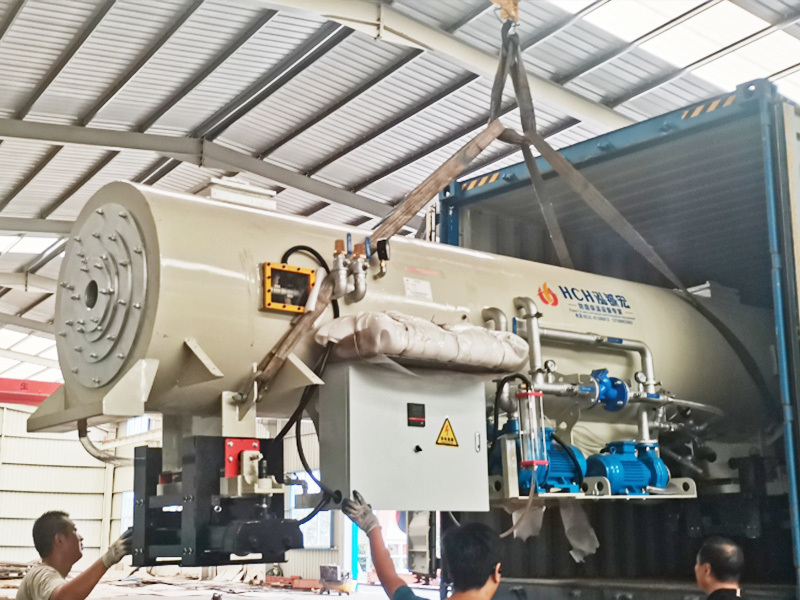
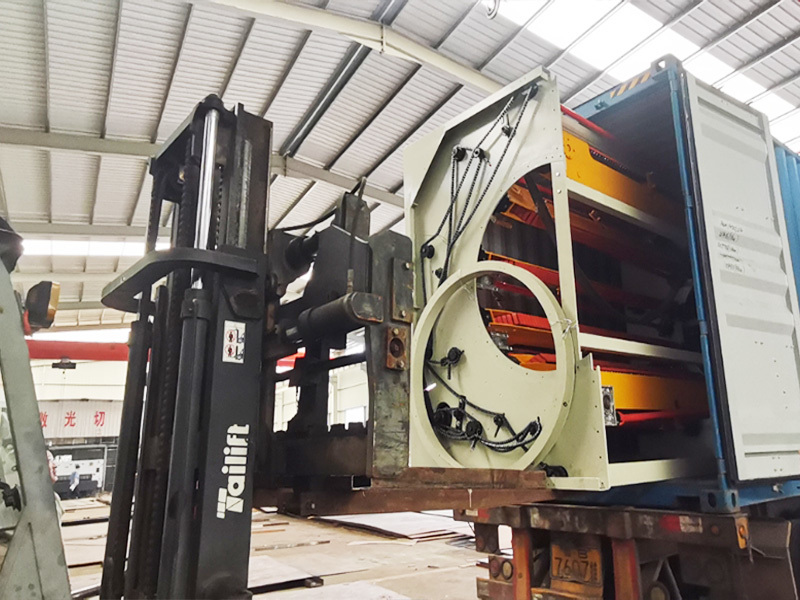
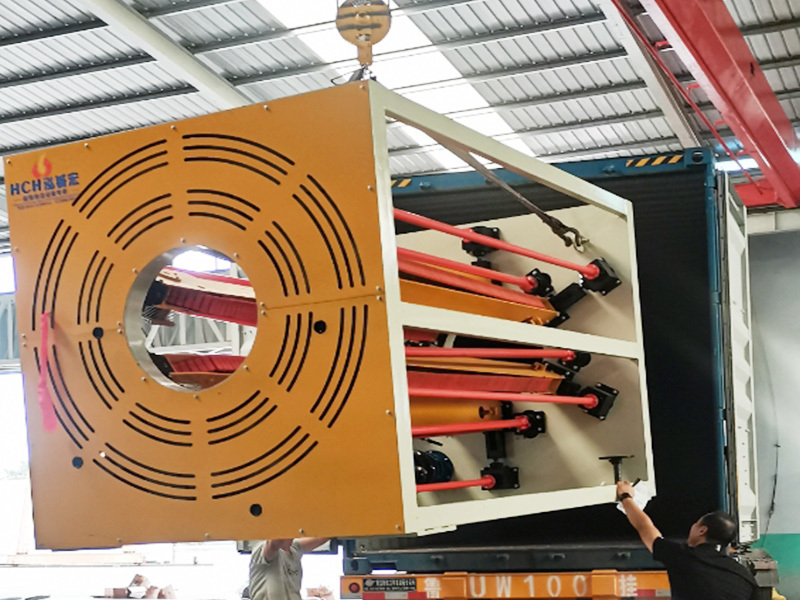
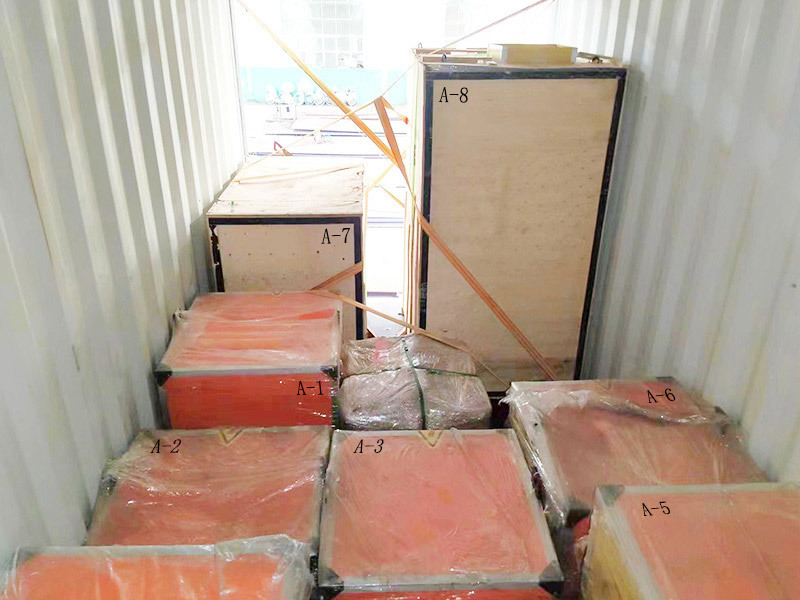
Delivery site
Product inquiry
Note: Please leave your phone number or E-mail and our professionals will contact you as soon as possible!

CONTACT US
No. 36, Shandong Road, Beiguan Industrial Park, Jiaobei Sub-district Office, Jiaozhou City, Qingdao, Shandong Province, China
